
Introduction
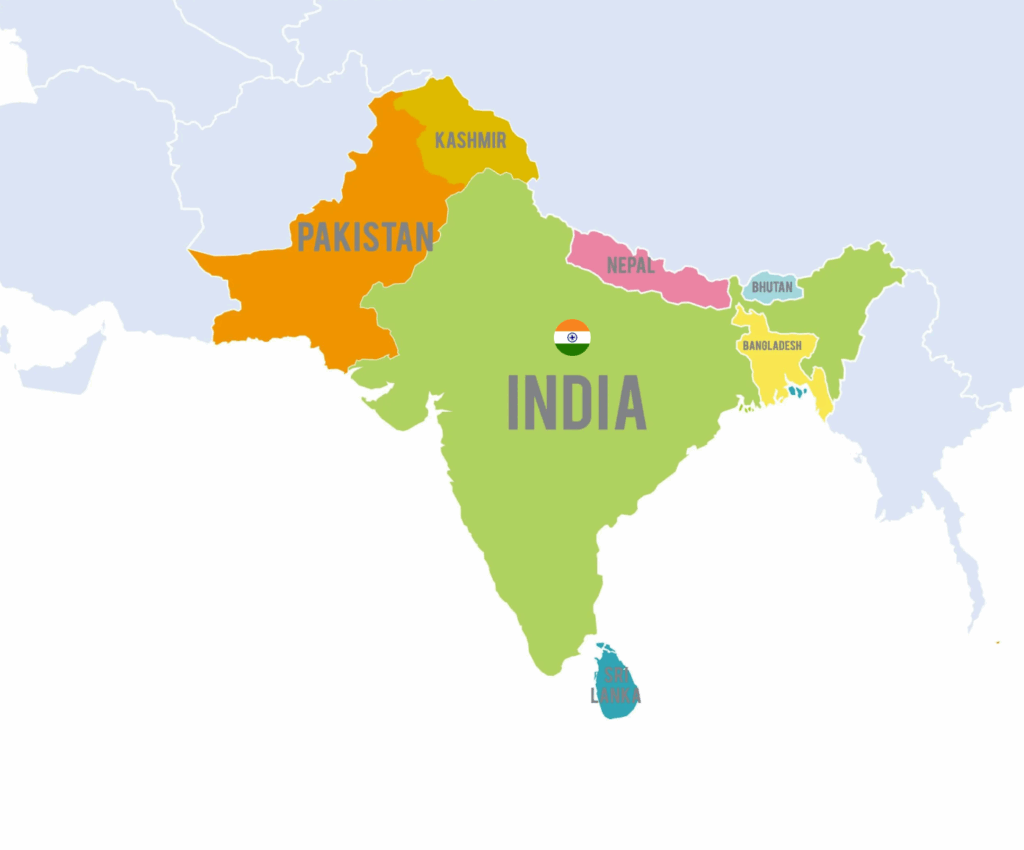
Bangladesh, Pakistan, and Sri Lanka are emerging as potential markets for Vietnamese exports. These countries not only have rapidly developing economies but also strong demand for products in which Vietnam has competitive strengths. This article reviews the opportunities that businesses can seize to expand into these markets.
Specific Industry Opportunities in Vietnamese Exports to Bangladesh, Pakistan, and Sri Lanka
1. Unlocking Garment & Textile Export Potential to Bangladesh and Sri Lanka
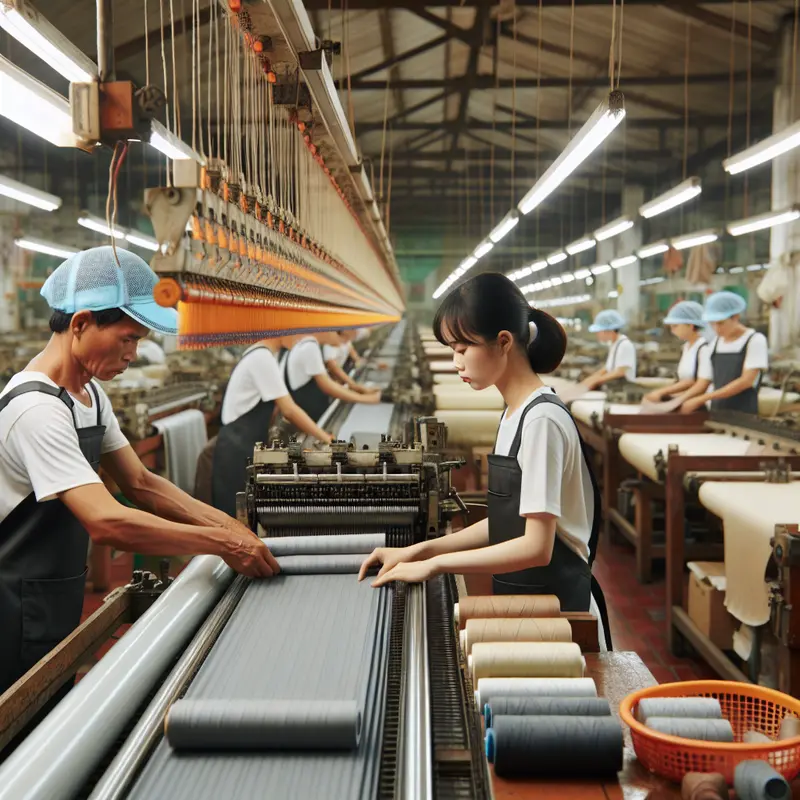
Garments and textiles are not just a craft industry but also a strategic sector in international trade. For Vietnam, exporting garments and textiles to Bangladesh and Sri Lanka opens up many promising prospects thanks to the strong development of the garment manufacturing industry in these two countries.
Specific Insights:
Bangladesh is widely known for its large garment manufacturing industry, mainly producing ready-made garments (RMG) for fast-fashion brands in Europe and North America. However, the domestic textile manufacturing base is not sufficient to meet all needs, especially for high-end fabrics, synthetic materials, and garment accessories. This opens up a great opportunity for Vietnamese businesses to supply high-quality materials, from woven fabrics and cotton yarn to fine accessories.
Sri Lanka, on the other hand, is known for its sustainable, innovative approach to manufacturing and its focus on high-value products. With demand for imported high-end fabrics and garment accessories, this is fertile ground for innovative garment and textile products that Vietnam can supply. Furthermore, the strong development of trade relations and investment-attracting policies in both countries have been supporting Vietnam’s access to and expansion of export markets.
Looking ahead, with continuous development and a shift toward digital technology and sustainability standards, Vietnamese garment and textile businesses need a concrete strategy to seize the opportunity to boost exports. This will not only help expand market share but also maintain a competitive position amid global uncertainty and volatility.
2. Potential for Vietnamese Electronics Exports to Pakistan
Pakistan, with its strategic geographic location, plays an important role in China’s Belt and Road Initiative, opening the door for Vietnam to enter the Central Asian market. The rapid growth of Pakistan’s middle class, along with rising demand for technology and electronics products, promises great opportunities for Vietnamese exports. Currently, a more favorable political and economic environment is creating conditions for bilateral trade growth, especially in the high-tech sector. Vietnam, well known for high-quality consumer electronics products, can seize this opportunity to boost exports of strategic goods, from smart devices to electronic accessories, meeting Pakistan’s growing consumer demand. This economic cooperation not only increases Vietnam’s export momentum but also promotes a sustainable partnership with Pakistan, promising a bright future in multinational trade.
3. Potential for Exporting Agricultural Products to Bangladesh and Pakistan
Creating special potential for Vietnam’s agricultural sector, Bangladesh and Pakistan are emerging as promising consumer markets thanks to rapid economic development, large population size, and rising demand for agricultural products. Bangladesh, with a rapidly growing middle class and urbanization trend, shows strong demand for agricultural products such as rice, coffee, and processed products. Pakistan, with its strategic location and participation in China’s Belt and Road Initiative, not only provides access to the Central Asian market but is also a potential market for Vietnam’s core agricultural products.
These markets are witnessing significant recovery and development in their industries, while increasingly seeking diversification in import supply sources. This import demand drives opportunities for Vietnam to increase supply of high-quality products, including fresh agricultural produce and processed products. By leveraging its agricultural production strengths and innovating processing methods, Vietnam can strengthen its competitive position and expand market share in these two dynamic markets. Factors affecting this opportunity include rising food demand, the consumption capacity of the middle class, and the development strategies of both governments.
In addition, challenges such as price volatility and technical standards may affect exporting businesses’ ability to penetrate the market. To make the most of this potential, businesses need to focus on improving product quality, refining production processes, and meeting international standards. This will not only support sustainable development but also create favorable conditions for establishing and maintaining stable trade relations with Bangladesh and Pakistan.
Economic Development and Demand in Bangladesh, Pakistan, and Sri Lanka as a Potential Market for Vietnamese Exports

1. Rising Demand from Bangladesh’s Middle Class for Vietnamese Goods
Bangladesh’s strong economic development has driven the rapid expansion of the middle class, creating large consumption demand for quality goods from Vietnam. This is clearly reflected in products such as garments and textiles, agricultural products, and electronics — sectors where Vietnam has competitive strengths. Bangladesh is currently undergoing urbanization and industrialization, creating many jobs and increasing people’s income, boosting their purchasing power. At the same time, government economic policy, along with rising remittances and better education opportunities, has boosted the consumption trend of this class, opening the door for Vietnamese products to enter the market. According to statistics, Bangladesh’s middle class is not only growing in number but also expanding in its needs, moving toward products of higher value and quality. This creates a great opportunity for Vietnamese businesses, thereby boosting trade relations between the two countries. Understanding the Bangladesh market and the ability to satisfy the diverse needs of this consumer group can help the Vietnamese government and businesses establish a more effective export strategy.
2. Pakistan’s Strategic Role: A Gateway to Expanding into the Central Asian Market
Pakistan plays an important strategic role in helping Vietnam access Central Asian markets. With its participation in China’s Belt and Road Initiative, Pakistan has become an important bridge connecting Asia with Central Asia, opening up many new trade opportunities. Its favorable geographic location and developing infrastructure make Pakistan an ideal gateway for Vietnamese export products, such as electronics and agricultural products, to maximize access to the Central Asian market. Furthermore, the good diplomatic relationship between the two countries also creates conditions for Vietnamese businesses to tap into and expand their business networks. This is truly a promising prospect, bringing great economic benefits not only to Vietnam but also contributing to regional growth.
3. Sri Lanka’s Active Trade Partner Diversification: Benefits for Vietnamese Exports
Sri Lanka is transforming strongly by diversifying its trade relationships to recover from the economic-political crisis. This opens the door wider for export products from Vietnam, especially in the garments & textiles and construction materials sectors. Vietnam has the opportunity to take advantage of Sri Lanka’s need to reduce dependence on traditional partners, seeking new partners to ensure a stable supply and competitive prices. This potential is further reinforced as both countries have their own advantages in geographic location and open trade policy. Vietnam’s abundant production capacity and diverse range of goods will certainly meet this demand.
Trade Flows and Geopolitics Shaping Vietnam’s Export Strategy in Bangladesh, Pakistan, Sri Lanka
1. The Belt and Road Initiative: Boosting Vietnam-Pakistan Trade Relations
China’s Belt and Road Initiative (BRI) stands out with the goal of connecting the global economy through large-scale infrastructure development, thereby promoting trade and investment development among participating countries. In this context, the BRI particularly affects trade relations between Vietnam and Pakistan, two countries strategically located within the Asia-Europe connectivity vision. Before the BRI was launched, trade relations between Vietnam and Pakistan had already made initial progress, with key goods such as garments and textiles, agricultural products, and consumer goods. However, trade between the two countries still faced many obstacles due to infrastructure factors and restrictive trade regulations.
With the emergence of the BRI, infrastructure in Pakistan, especially its transportation and logistics system, has seen significant improvements. Projects such as the China-Pakistan Economic Corridor not only strengthen domestic connectivity but also open up possibilities for deeper cooperation with other Asian countries, including Vietnam. As a result, trade volume between Vietnam and Pakistan has seen a strong increase in both volume and diversity of goods. The role of Chinese investment capital in infrastructure projects has created more favorable conditions for businesses in both countries to improve competitiveness and expand export markets.
However, there are still many challenges that both countries need to face. Excessive dependence on BRI projects comes with risks of public debt and competitive pressure from Chinese goods. At the same time, political volatility in the region also poses security challenges, affecting stable trade flows among BRI participating countries. To make the most of the benefits from the BRI and minimize risks, Vietnam and Pakistan need to cooperate more closely in building favorable trade policies, encouraging multilateral investment, and promoting sustainable economic ties between private businesses.
2. Overcoming Political Difficulties to Strengthen Trade Stability in Sri Lanka
Sri Lanka, a country recovering from political upheaval, faces many opportunities and challenges in establishing trade stability. In this context, the role of trade commitments and bilateral cooperation between Vietnam and Sri Lanka is extremely important. A deep understanding of the political context in Sri Lanka helps Vietnam orient a suitable export strategy while seizing opportunities to expand its market. The challenges that exist come not only from outside but also from the internal political system, requiring Vietnam to take cautious and flexible steps. However, new trade liberalization policies together with economic restructuring can bring great benefits to Vietnamese businesses seeking investment opportunities. In the context of globalization, leveraging the advantages of trade agreements and bilateral programs can be seen as an effective step toward sustainably entering the Sri Lankan market.
3. Strengthening Economic Ties with Bangladesh Through Trade Agreements
Bangladesh has emerged as a highly potential market for Vietnamese export goods thanks to rapid economic growth and a growing middle class. To seize this opportunity, signing trade agreements between Vietnam and Bangladesh is necessary. These agreements not only expand the consumer market but also create favorable conditions for Vietnamese businesses to participate more deeply in the Bangladesh market. Tariff reduction policies and trade barrier removal help improve the competitiveness of Vietnamese goods, especially in the agricultural products, garments & textiles, and electronics sectors. By building and maintaining close trade relations with Bangladesh, Vietnam can steadily move toward long-term export goals, contributing to comprehensive economic development. Although some legal and infrastructure challenges remain, with efforts to adjust policy and strengthen cooperation, Vietnam is fully capable of seizing the opportunity from the Bangladesh market.
Conclusion
Bangladesh, Pakistan, and Sri Lanka are opening up countless opportunities for Vietnam’s export sector. By seizing these opportunities and overcoming current challenges, Vietnamese businesses can build a strong presence in these emerging markets. Strong cooperation in sectors such as garments & textiles, electronics, and agricultural products will not only bring economic benefits but also strengthen bilateral relations.
Contact VBS now for free consulting and support on import-export, business, and investment in Bangladesh! 📧 Email: hihocovn@gmail.com 📞 Tel/Zalo: +84 961669907
About Us
Vietnam Business Society in Bangladesh (VBS) has extensive experience in the political, social, legal, and economic-trade landscape in Bangladesh. VBS is committed to accompanying, supporting, and promoting business and investment activities of Vietnamese enterprises in Bangladesh.